
Describe the property
Send the location, symptoms, equipment and access details. State whether the work is a repair, replacement or planned project.
Need duct cleaning in Ridgetown? Tell us which air ducts, dryer vent or ventilation equipment need attention. A responding provider will confirm coverage and availability before booking.
Get A Free QuoteCompare complete supply and return cleaning scopes, including negative-pressure equipment, brush agitation, register handling, and photo documentation.
View scopeDescribe the full route from the dryer to the exterior cap. Long runs and elbows affect access, while the termination should be checked for lint or obstruction.
View scopeCompare proposed blower access, evaporator coil cleaning, and condensate-path checks. Equipment model and component condition affect the appropriate method.
View scopeIdentify HRV cores, filters, exhaust runs, and exterior terminations. Equipment type and duct route help define what cleaning and inspection include.
View scopeFirst investigate the odour source and cleaning need. If a product is proposed, verify its label, application area, and re-entry directions.
View scopePhotograph damaged ducts and compare pressure-test findings, mastic sealing, and repairs to crushed or detached sections.
View scopeSet out building zones, access limits, occupancy hours, and documentation needs to compare commercial cleaning scopes and schedules.
View scopeFor a clinic, shop, office, hall, or other commercial property in Ridgetown, start by listing the spaces served, operating hours, and any ventilation areas that need attention. Rooftop units, long runs above a storefront, and multiple zones can change access, sequencing, and the work included. Ask for a written scope that identifies systems and accessible areas, how disruption will be managed, and what photographs or records will be supplied. Confirm scheduling and documentation expectations before comparing proposals.
Compare complete supply and return cleaning scopes, including negative-pressure equipment, brush agitation, register handling, and photo documentation. Describe the full route from the dryer to the exterior cap. Long runs and elbows affect access, while the termination should be checked for lint or obstruction. Compare proposed blower access, evaporator coil cleaning, and condensate-path checks. Equipment model and component condition affect the appropriate method.
Identify HRV cores, filters, exhaust runs, and exterior terminations. Equipment type and duct route help define what cleaning and inspection include. First investigate the odour source and cleaning need. If a product is proposed, verify its label, application area, and re-entry directions.
Photograph damaged ducts and compare pressure-test findings, mastic sealing, and repairs to crushed or detached sections. Set out building zones, access limits, occupancy hours, and documentation needs to compare commercial cleaning scopes and schedules.
If laundry takes longer to dry, the dryer or vent feels unusually warm, or lint gathers near the exterior outlet, inspect the vent route before deciding what work is needed. A basement dryer may connect to a long run with several elbows, while another property may have a short, direct route. Photograph the appliance connection and exterior cap, and ask whether the proposed cleaning follows the entire duct to its termination. The route and cap condition change the access and scope.
Explore this serviceSend the location, symptoms, equipment and access details. State whether the work is a repair, replacement or planned project.
The request is reviewed so the responding provider can clarify the work, property access and service coverage.
Agree the provider identity, qualifications, written scope, pricing and visit window directly. Sending a form does not confirm an appointment.
If pollen, seed fluff, or household dust is collecting at grilles, photograph it and note when you notice it. These observations can help distinguish a concern at one register from a request to clean the complete supply and return system. Seasonal debris is a reason to inspect, not proof that every duct needs the same work.
If a bathroom or laundry fan seems weak, identify its outlet and photograph the accessible wall or roof cap. Ask whether the duct will be traced along its full route and checked for a sag, obstruction, or nest. Clearing only the fan grille may leave a restriction farther along the run.
Check whether the outside termination has a stuck louver, visible lint, or a nest, and share a photo if safely accessible. A clear duct cannot exhaust properly through a blocked cap. Ask whether the proposed scope includes clearing and checking the termination, as well as the duct behind it.
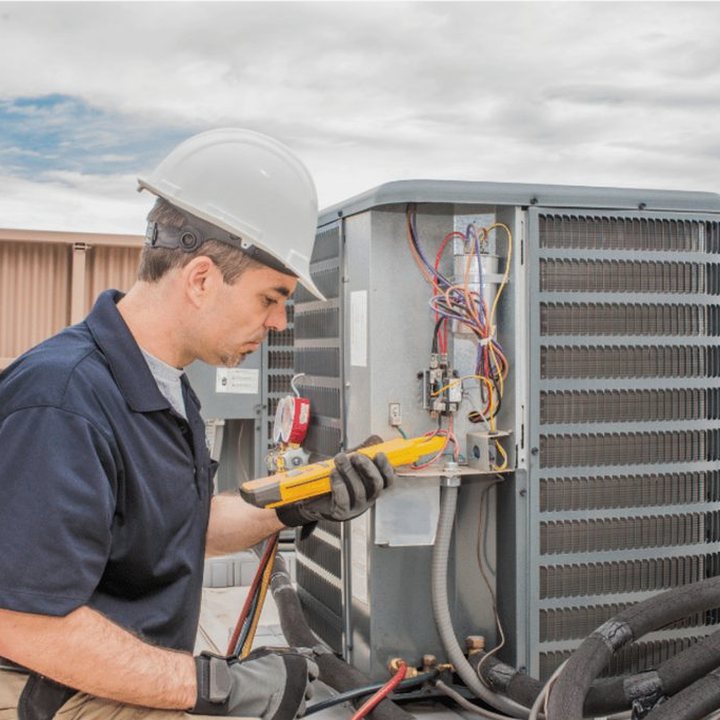
If the building has rooftop units, long runs over storefronts, or several zones, provide equipment counts, drawings, and access details where available. A proposal should explain which systems are included and how access affects the work. Compare itemized scopes rather than assuming one price or method fits every commercial layout.
If leakage is suspected, ask whether the system will be pressure-tested and how the results will identify specific joints, boots, or sections. A test can help prioritize work instead of sealing every visible seam without evidence. Request a clear description of the locations included and how any inaccessible areas will be handled.
Use the form to describe the property, the symptoms and the work requested. For Blenheim, Highgate, Thamesville, Merlin, include your postal code so local coverage can be checked.